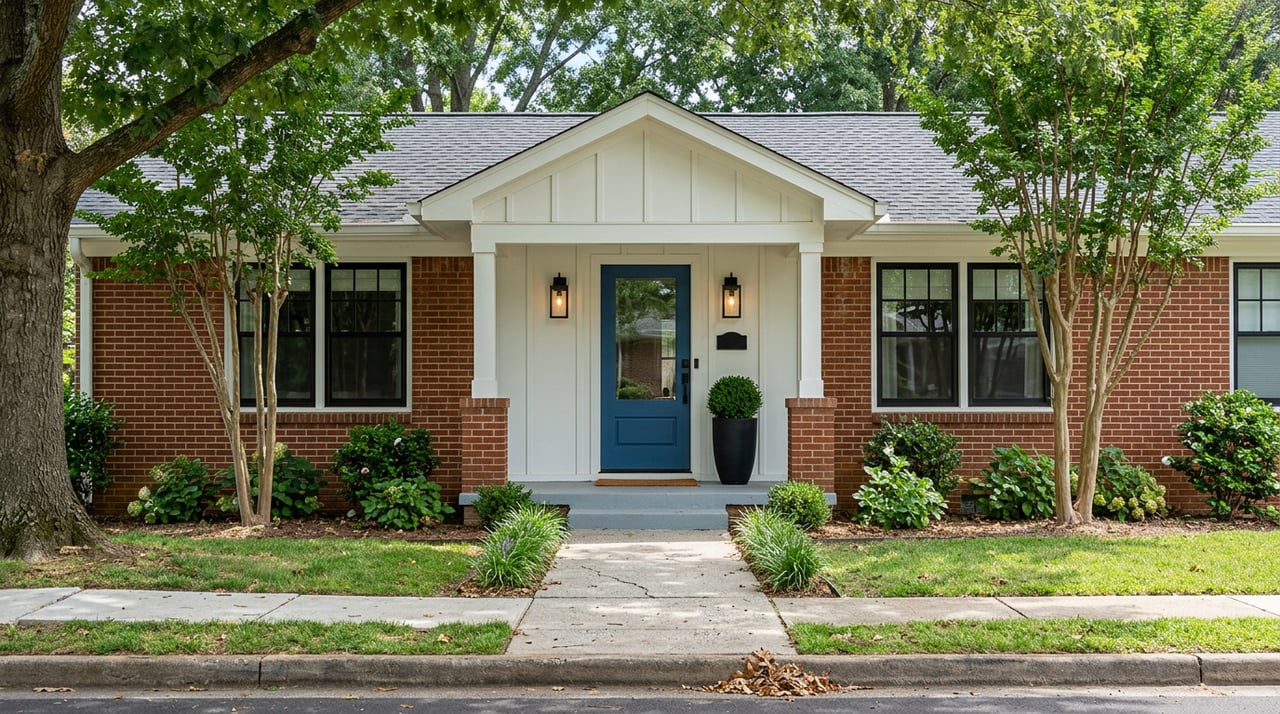
Torn between a charming bungalow near Old Town and a move-in-ready home in a newer subdivision? You are not alone. Buyers in Rock Hill often weigh character and location against convenience and predictable upkeep. In this guide, you will learn how older and newer homes differ in layout, maintenance, energy use, inspections, and long-term value so you can choose with confidence. Let’s dive in.
Rock Hill market at a glance
Rock Hill is a mixed-age market with options across price points and neighborhoods. Recent trackers show average values around the low to mid 300s. Different sources use different data windows, so short-term signals can vary. What matters for you is aligning the home’s age, condition, and location with your budget and plans.
The city’s housing stock spans historic streets and newer subdivisions. ATTOM data shows an average home age of about 40 years and an average single-family size near 1,813 square feet, which supports that mixed profile across Rock Hill neighborhoods. You will find both character-rich homes near established amenities and newer, production-built communities with modern systems and layouts. ATTOM’s local snapshot is a useful overview.
What “older” vs “newer” means here
Rock Hill’s inventory breaks into four practical eras you will see in listings and on the ground:
Historic homes: pre-1940
- Often found near Old Town and streets like Oakland Avenue. Expect front porches, original millwork, hardwood floors, and smaller kitchens and baths.
- Exterior changes may be regulated in designated historic areas. Before planning a porch or window project, review the city’s design guidelines and approval process for historic districts through Rock Hill Historic Preservation.
Midcentury homes: 1940s to 1970s
- Typically one-story ranches or modest two-story plans with defined rooms and smaller kitchens.
- You may see carports or single-car garages and earlier-era plumbing or electrical that has been partially updated over time.
Transitional homes: 1980s to 1999
- Larger footprints, more bathrooms, and attached garages become common.
- Many homes will have had at least one HVAC replacement and some window or roofing updates.
Newer homes: 2000 to present
- Open-concept main levels, larger kitchens with islands, primary suites with walk-in closets, and multiple baths.
- Built to more recent energy and building codes, which often translates to tighter envelopes, better insulation, and tested HVAC duct performance. South Carolina outlines the energy-testing and efficiency context for new construction through the state’s Energy Office.
Curious how many homes fall into each band locally? The Census-based breakdown shows large cohorts built in the 2000s and early 2010s, alongside a meaningful pre-1980 share. You can review Rock Hill’s “year built” distribution by era with this ACS-derived profile.
Floorplan and lifestyle tradeoffs
Older homes often feature separate living and dining rooms, smaller kitchens, and narrower stairs or halls. That traditional layout can feel cozy and distinct. If you plan to open walls for a larger kitchen or combined living space, understand that removing load-bearing walls requires engineering and structural work. Costs vary widely by scope, so get a contractor to assess structure and mechanical relocation before you buy.
Newer homes lean toward open kitchens, larger pantries, and better storage throughout. Updates in these properties are usually cosmetic. Swapping countertops, paint, lighting, or flooring rarely involves major structural changes, which helps keep timelines and budgets more predictable.
Character, convenience, and location
- Older neighborhoods may offer mature trees, architectural detail, and proximity to downtown amenities. If a property sits within a local historic overlay, review exterior change rules early using the city’s historic preservation resource.
- Newer subdivisions deliver consistency, modern kitchens and baths, and easier energy upgrades. Financing and underwriting can also be more straightforward when systems are newer and code-compliant.
Systems, lifespan, and hidden risks
Your inspection will focus on high-ticket systems. Knowing typical service lives helps you budget and negotiate:
- Asphalt shingle roof: about 15 to 30 years.
- HVAC: roughly 12 to 20 years based on type and maintenance.
- Water heater: about 8 to 15 years for tank models.
- Sewer lines: older cast iron or clay lines have higher failure risk than modern PVC. A sewer scope is smart for older homes.
Hazards and materials to ask about in older houses:
- Lead-based paint: Federal rules require lead-paint disclosure for homes built before 1978. If you plan to remodel, learn about safe-work standards under the EPA’s RRP rule and review the lead-warning pamphlet. See the EPA’s overview for real estate professionals and consumers on lead-safe renovation and disclosure.
- Asbestos: Some older floor tiles, pipe insulation, or mastics may contain asbestos. Testing is recommended before cutting or demolition.
- Termites: Wood-destroying insects are a real risk in the Southeast. Modern builds often include termite-resistant details or barriers, but older foundations and wood-to-soil contact increase risk. Learn the fundamentals of termite-resistant foundations to inform maintenance and inspection conversations.
Energy performance differences:
- Newer homes typically use less energy for the same conditioned area due to better envelopes, insulation, and HVAC testing requirements outlined by the state. This can reduce monthly utility costs and help with comfort. For code context and testing requirements, review the South Carolina Energy Office guidance.
Inspections that protect you
Plan for a standard home inspection that covers structure, roof and attic, visible plumbing and electrical, HVAC operation, and interior safety issues. Expect two to four hours for a typical single-family home and attend if you can. Treat the report as an information and negotiation tool, not a pass or fail certificate. See the National Association of Realtors’ field guide to home inspections for scope and tips.
For older homes or when red flags appear, add specialty inspections:
- Termite and WDI inspection.
- Sewer scope for older sewer laterals.
- Chimney evaluation if there is a masonry fireplace.
- Lead testing for pre-1978 paint surfaces, plus RRP-safe planning. Review the EPA’s lead renovation guidance.
- Asbestos testing if suspect materials will be disturbed.
- Moisture or mold testing if there are musty odors or past water intrusion.
- Structural engineer review for significant foundation movement or sagging floors.
Smart negotiation and budgeting
Use findings to prioritize and plan:
- Safety and compliance first. Active leaks, major electrical hazards, or significant structural issues need swift attention. Ask for repairs before closing or negotiate a firm credit or escrow.
- Major systems next. If the roof is at end of life or the HVAC is failing, get at least two contractor bids and use the report to support your request.
- Credits can beat repairs. For older homes with many deferred items, consider requesting a seller credit and a one-year home warranty for appliances and mechanicals. This can reduce uncertainty and let you manage work after closing.
- Know when to walk. If the seller will not address big-ticket risks and credits are insufficient, your inspector’s cost opinion and an engineer’s letter can help you decide to pause.
When planning projects, keep scope flexible. Kitchens and baths carry the highest remodel costs and vary by materials and layout changes. Add a 10 to 20 percent contingency to contractor estimates to cover hidden issues that older homes can reveal once walls are open.
Five-question decision checklist
Use this quick rubric to weigh your fit for an older or newer home:
- Lifestyle fit. Do you prefer open-plan living and low maintenance, or character and defined rooms?
- Budget today. Can you handle purchase price plus immediate repairs or system replacements if needed?
- Long-term plan. Will you occupy long enough to enjoy and potentially recoup renovation spend, or do you need turnkey now?
- Resale timeline. If you plan to sell within five years, move-in-ready often preserves flexibility. Longer horizons can suit thoughtful renovations in stable neighborhoods.
- Risk tolerance. Are you comfortable with unknowns and project management, or do you want predictable systems and possibly builder warranties?
Example scenarios:
- You want walkability, mature trees, and original details. An older home near downtown can be right, but budget for electrical, plumbing, paint, and possible lead-safe or asbestos protocols.
- You want space, storage, and predictable bills. A newer home with open living, energy-code construction, and recent systems can minimize near-term projects.
Local rules and resources
- Historic districts and exterior changes. Confirm whether a property sits in a local overlay and learn the Certificate of Appropriateness process via Rock Hill Historic Preservation.
- Energy and building code context for new homes. Review testing and efficiency standards through the South Carolina Energy Office.
- Year-built distribution and era snapshots. Explore Rock Hill’s housing-age profile with the ACS-derived breakdown.
- Verifying property details. The City’s planning pages link to parcel and preservation resources that help confirm year built and jurisdictional guidance. Start with Historic Preservation and navigate to related permit resources as needed.
If you want help weighing these tradeoffs for your budget, timeline, and neighborhood goals, reach out. You will get a calm, mortgage-informed plan for inspections, credits, and offer strategy that fits Rock Hill’s market. Connect with Josh Tuschak to talk through options.
FAQs
What are the biggest cost risks when buying an older Rock Hill home?
- Focus on roof age, HVAC age, water heater, sewer line material, electrical panel capacity, and signs of moisture or foundation movement. Add a contingency for hidden issues once work starts.
How do energy bills compare for newer vs older Rock Hill homes?
- Newer homes are typically more efficient due to tighter envelopes, better insulation, and HVAC and duct testing. See the state’s overview of testing and efficiency at the South Carolina Energy Office.
What should I know about historic-district rules before renovating?
- If a home sits within a designated historic area, exterior changes often require review and approval. Read Rock Hill’s design guidelines and process via Historic Preservation before planning projects.
Which inspections are most important for a midcentury ranch in Rock Hill?
- In addition to a standard inspection, add a termite inspection, sewer scope, and chimney check if applicable. Consider an electrical panel evaluation and moisture assessment for crawl spaces.
Do I need special testing for pre-1978 homes in Rock Hill?
- Yes. Expect lead-paint disclosure and plan for lead-safe work if renovating. Consider lead testing and, if materials are suspect, asbestos testing. Review the EPA’s lead-safe renovation guidance to prepare.