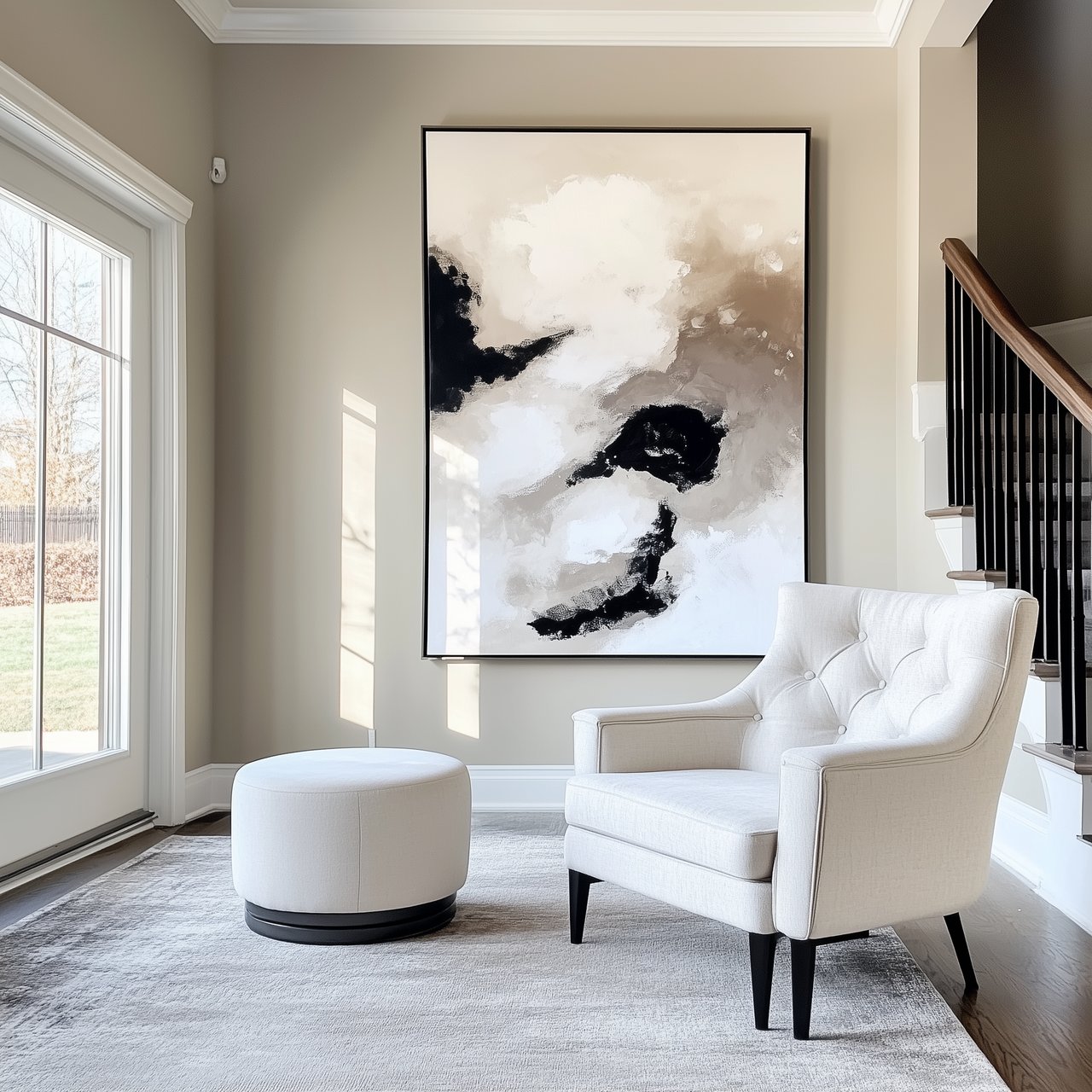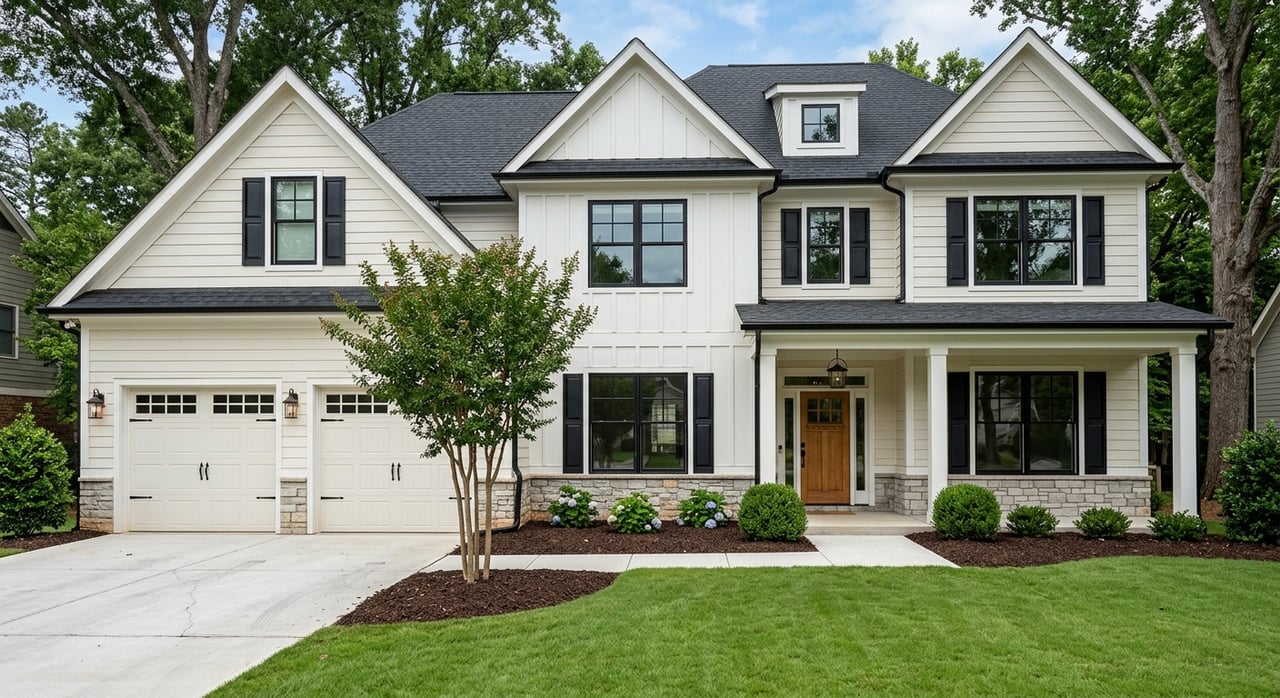
If your Ballantyne home is hitting the market soon, one question matters more than almost anything else: Will buyers see it as the right home at the right price on day one? In a market that has normalized, the answer is not just about square footage or upgrades. It is about pricing your home to its exact pocket of Ballantyne, presenting it clearly online, and making it easy for buyers to understand the value. Let’s dive in.
Ballantyne Is Not One Price Point
One of the biggest pricing mistakes sellers make is treating Ballantyne like a single market. The numbers show that Ballantyne East and Ballantyne West are behaving differently, which means your pricing strategy should be different too.
In April 2026, Ballantyne East had a median listing price of $689,500, while Ballantyne West came in at $485,000. Zillow’s March 2026 home-value indexes show an even wider spread, with Ballantyne East at $727,990 and Ballantyne West at $451,250. That is a large enough gap that broad Ballantyne averages can distort value instead of clarify it.
The pace is different too. Realtor.com reported a median 28 days on market in Ballantyne East and 33 days in Ballantyne West, while Redfin’s March 2026 data showed 96 days on market in East and 52 days in West. The datasets use different methods, but the practical message is the same: you need hyper-local comps and realistic expectations for your specific pocket.
Start With the Right Comp Set
If you want to price and position your home to win, your comp set needs to be tight. In Ballantyne, that usually means starting as close to home as possible and widening only when necessary.
A smart comp hierarchy looks like this:
- Homes in your same HOA or subdivision
- Homes in your same Ballantyne pocket
- Similar homes in nearby Ballantyne submarkets
- Broader Charlotte sales only as a final reality check
This matters because Ballantyne East and West attract different buyer expectations at different price tiers. A nearby sale that looks similar on paper may not be the best pricing anchor if it sits in a different submarket with a different pace and value range.
Why Overpricing Hurts More Now
The Charlotte market is active, but it is no longer forgiving of obvious overpricing. Canopy Realtor and Canopy MLS reported in March 2026 that pending sales were up 9.1% year over year, new listings were up 4.8%, Mecklenburg County inventory was just over 3,500 homes, and supply stood at 2.7 months.
That is not a weak market, but it is a more balanced one. Realtor.com also reported that the typical Charlotte home spent 43 days on market in April 2026, up 7.5% from a year earlier. When buyers have a bit more time and a bit more choice, pricing too high can slow your launch fast.
Recent sale-to-list trends support that point. In Ballantyne East, homes sold an average of 1.21% below asking in March 2026, and Ballantyne West homes were roughly at asking on one dataset and about 2% below list on another. The takeaway is simple: list-high-then-reduce is usually less effective than pricing close to market from the start.
Price for Buyer Reality, Not Seller Hope
The best list price is not based on the number you want to net or an automated estimate you saw online. It is based on the nearest real competition, your home’s condition, and the buyer pool most likely to act.
That buyer-pool point matters in Ballantyne. Local property taxes still shape payment sensitivity, and Mecklenburg County’s FY2026 property tax rate is 49.27 cents per $100 of assessed value. Even if your home shows beautifully, buyers are still doing monthly payment math.
This is where a mortgage-informed pricing strategy can help. A small pricing difference can affect how your home fits into buyer search brackets and monthly affordability, which can influence how many serious showings you get in the first week.
Focus on the Updates That Improve Marketability
Not every pre-listing project pays off equally. In most cases, the goal is not to fully renovate before selling. The goal is to remove distractions and help buyers see your home clearly.
Research on staging and home prep supports that approach. The most common recommendations are decluttering, cleaning, and improving curb appeal, with staging focused on presenting the home in its best light rather than remodeling it.
If you are deciding where to spend money before listing, prioritize cosmetic improvements that affect first impressions:
- Deep cleaning throughout the home
- Decluttering surfaces, closets, and storage areas
- Freshening curb appeal
- Touch-up paint where needed
- Minor repairs that buyers will notice during showings
These steps can improve your presentation without blurring the line between smart prep and over-improving for the market.
Stage the Rooms That Matter Most
If your staging budget is limited, you do not need to stage every room. Focus first on the spaces buyers notice most in photos and during tours.
According to the 2025 Profile of Home Staging, 83% of buyers’ agents said staging made it easier for buyers to visualize a property as a future home. The rooms most commonly staged by sellers’ agents were the living room, primary bedroom, dining room, and kitchen.
That gives you a practical order of operations:
- Living room
- Kitchen
- Primary bedroom
- Dining room
The same report found a median staging-service cost of $1,500, and more than a quarter of agents said staging increased dollar value offered by 1% to 10%. That does not mean every staged home will sell for more, but it does show how presentation can strengthen your pricing power.
Win Online Before Buyers Visit
Most buyers will meet your home online first. That means your visual marketing is not an extra. It is part of the pricing and positioning strategy.
NAR guidance recommends using as much visual information as possible, including photos, video, virtual tours, and floorplans. In the staging report, buyers’ agents said the most important listing elements were photos, physical staging, videos, and virtual tours.
For a Ballantyne listing, strong marketing usually includes:
- Professional photography of key rooms and outdoor areas
- Video content that shows flow and layout
- A virtual tour for remote and relocation buyers
- Floorplan information when available
- Clear, accurate room presentation
If virtual staging is used, material alterations should be disclosed so buyers are not misled. In a market where buyers often compare homes carefully online, trust and clarity matter.
Sell the Ballantyne Lifestyle Clearly
In Ballantyne, buyers are not only choosing a house. They are also choosing a lifestyle. That is why your positioning should include both property features and neighborhood context.
Ballantyne Reimagined and The Bowl at Ballantyne continue to shape the area’s appeal with retail, dining, entertainment, green space, and walkable connections. For sellers, that creates a strong story for relocation buyers and move-up buyers who want convenience, activity, and a more connected mixed-use environment.
The key is to keep the language factual and useful. You can highlight proximity to dining, retail, greenway connections, and the area’s evolving mixed-use setting without drifting into vague hype. Buyers respond well when the listing story explains not just what the home is, but how it fits into daily life.
Know When the Market Is Talking Back
Once your home is live, the first days matter. If pricing and positioning are working, you should see early signs through showing activity, online engagement, and buyer feedback.
If showings are weak compared with similar listings, the market may be signaling that buyers do not see enough value at the current price. In a normalized market, waiting too long to adjust can lead to added days on market and a stale listing impression.
That does not mean every slow week requires a price cut. Sometimes the issue is photos, staging, or how the home is being framed against competing listings. But if the home is well presented and still missing traction, a strategic price adjustment may be the clearest fix.
A Simple Launch Plan for Ballantyne Sellers
If you want to give your home the best chance to win attention and offers, keep your launch plan straightforward.
Set the price precisely
Use the closest and most relevant solds, actives, and pending listings. Anchor the decision in your specific Ballantyne submarket, not a broad area average.
Prep the home strategically
Clean, declutter, handle visible repairs, and improve curb appeal. Focus on changes that make the home feel cared for and easy to picture.
Stage key spaces
Start with the living room, kitchen, primary bedroom, and dining room. These rooms tend to carry the most weight in both photos and in-person impressions.
Invest in visuals
Use professional photos and add video, virtual-tour assets, and floorplan details when possible. Buyers often decide whether to visit based on what they see online.
Tell the local story
Position the home within the Ballantyne lifestyle with factual mentions of nearby retail, dining, green space, and walkable mixed-use amenities. This is especially helpful for relocation buyers.
When pricing, presentation, and marketing all line up, your home has a much better chance of standing out quickly and competing well.
Selling in Ballantyne is rarely about chasing the highest possible list price. It is about creating confidence. When buyers see a well-prepared home, priced in line with the right comps, and marketed with clarity, they are more likely to act. If you want a strategy built around your exact neighborhood, competition, and buyer pool, connect with Josh Tuschak for a free valuation & strategy consult.
FAQs
How do Ballantyne East and Ballantyne West differ when pricing a home?
- Ballantyne East and Ballantyne West show meaningfully different price points and market pace, so your home should be priced using comps from your specific submarket rather than a broad Ballantyne average.
Which comparable sales matter most for a Ballantyne home listing?
- The best comps are usually homes in your same HOA or subdivision first, then your same Ballantyne pocket, then nearby Ballantyne submarkets, with broader Charlotte sales used only as a final check.
What home updates are most worth doing before listing in Ballantyne?
- The most practical pre-listing updates are usually cleaning, decluttering, curb appeal improvements, touch-up paint, and small visible repairs rather than major remodeling.
Which rooms should you stage first before selling a Ballantyne home?
- If your budget is limited, start with the living room, kitchen, primary bedroom, and dining room because those spaces tend to carry the most weight in photos and buyer impressions.
How much visual marketing does a Ballantyne listing need?
- A strong listing should usually include professional photography and can benefit from video, virtual tours, and floorplan information because many buyers compare homes online before scheduling a visit.
When should you consider a price reduction on a Ballantyne home?
- If your home is well presented but showings and buyer response are weak compared with similar listings, the market may be signaling that the current price is too ambitious and a strategic adjustment is worth considering.