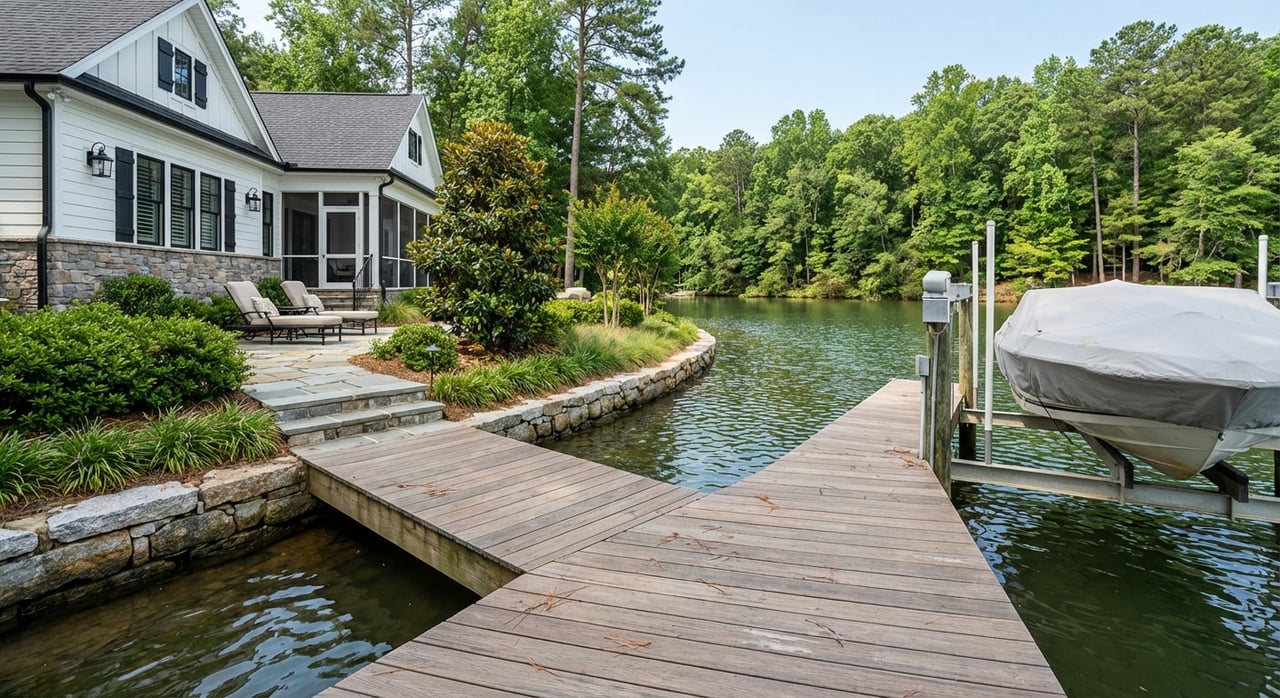
Imagine waking up to glassy water, pouring a coffee, and stepping onto your own dock as the sun climbs over the trees. If you’re picturing a future on Lake Norman, you’re not alone. You want the freedom to boat, the ease of dock-and-dine nights, and a smart plan for permits and costs. This guide gives you a clear, practical look at the Lake Norman lifestyle on the Mecklenburg shoreline so you can move from daydream to decision. Let’s dive in.
Lake Norman at a glance
Lake Norman is North Carolina’s largest man-made lake, covering about 32,000 acres with roughly 520 miles of shoreline. It was created in the early 1960s when Duke Energy impounded the Catawba River at Cowans Ford. You’ll find it stretching across Mecklenburg, Iredell, Lincoln, and Catawba counties, with a strong recreation culture and year-round activity. Get the quick history and scale from the overview of Lake Norman’s formation and footprint.
The shoreline and docks are governed through Duke Energy’s Shoreline Management Program. This matters when you buy, because dock rights and structures are not automatic with every waterfront lot. For a plain-English primer, review this summary of Duke Energy shoreline authorization and SMP basics.
South shore vibe in Mecklenburg
If you want easy access to Charlotte, the south end of the lake is your home base. Cornelius, Davidson, and Huntersville put you close to I-77, with lively town centers, lakefront dining, and multiple marinas. You can spend a morning on the water, grab lunch by boat, and still make an afternoon meeting in the city.
- Cornelius: established lake neighborhoods, waterfront restaurants, and quick access to community parks.
- Davidson: a charming college town feel with a walkable Main Street and relaxed waterfront spots.
- Huntersville: suburban convenience near Birkdale Village and a straight shot to Charlotte.
On-the-water lifestyle essentials
Where to launch and play
Public launches and parks make it easy to get on the water, even before you own a dock. Popular south-shore options include Ramsey Creek Park, Jetton Park, and Blythe Landing. Expect heavier weekend traffic during peak season, so arrive early and check posted hours and fees. For ramp locations and park guidelines, start with Mecklenburg County’s boating and paddling resources.
If you want a quieter day with trails, paddling, and a public ramp on the northern shoreline, plan a visit to Lake Norman State Park.
Marinas, storage, and services
You’ll find numerous marinas around the lake with wet slips, dry storage, fueling, and repair services. Availability and service levels vary by facility and season, so call ahead and join waitlists early if you need a slip. For a practical snapshot of options and locations, browse this local marina and public access directory.
Boating rules and safety must-knows
Safety rules shape everyday life on the water. In North Carolina, boats must carry Coast Guard–approved life jackets, and children under 13 must wear a life jacket while a vessel is underway. Operators born on or after Jan. 1, 1988 may need an approved boater education certificate for higher-horsepower vessels. Review the latest NC boating laws and safety guidance before you launch.
Lake Norman also has posted no-wake zones and proximity rules around ramps, docks, and bridges. Ordinances can vary by cove and change over time, so check the Lake Norman Marine Commission’s FAQs to stay current.
Dock-and-dine culture
Dining by boat is part of the fun. Many waterfront restaurants offer guest tie-ups for lunch or sunset dinners. Explore seasonal options and hours through this Lake Norman waterfront dining roundup.
Home types you’ll see on the water
Lake Norman’s shoreline features a wide mix of architecture and lot styles. You’ll see renovated midcentury cottages, custom estates with long water views, and newer builds with multi-level terraces and outdoor kitchens. There are also lake-access communities with shared or community day docks if a private dock is not in the cards.
Two things to remember as you browse:
- True dockable, deep-water lots are limited and command a premium. Scarcity drives value on the best shoreline.
- Waterfront typically trades above town medians. Prices vary by cove location, water depth, and whether you have an existing dock or clear path to permit one.
Dock and permit essentials
Before you fall in love with a view, confirm what is and is not allowed on that shoreline. Duke Energy’s Shoreline Management Program governs most structures that touch the lake. Your county or town, plus state or federal agencies, may add reviews for certain projects.
Here is a simple, smart due diligence checklist:
- Confirm deeded access and riparian rights for the parcel. Do not assume that every waterfront lot allows a private dock.
- Ask for copies of any Duke Energy shoreline authorization on file, and confirm whether that authorization will transfer at closing.
- Review HOA covenants for dock style, coverage, or rental rules that might affect your plans.
- Verify local building and zoning requirements, plus septic or sewer status for the property.
- Check FEMA flood maps for the specific address and talk to your lender and insurer about any insurance implications.
For a helpful overview of how shoreline authorization fits into the process, read this summary of Duke Energy’s shoreline program and permit considerations.
Costs, timelines, and planning
Dock and lift projects vary widely. Simple floating walkways and lifts can be relatively modest, while fixed piers, multi-slip docks, covered slips, or boathouses can run significantly more. Routine maintenance approvals may be quick, but new structures or projects that involve dredging or shoreline stabilization can take longer due to added reviews. Start early, get written guidance, and budget for both construction and ongoing maintenance.
Everyday costs and insurance
Waterfront ownership comes with a few line items you will want to price in advance:
- Insurance: Ask about liability for boats and docks, plus flood coverage if your lender requires it or if you want added protection. Even homes outside a Special Flood Hazard Area can benefit from a policy, depending on your risk tolerance. For a clear primer on how flood insurance works in North Carolina, see this overview of flood insurance basics.
- Maintenance: Budget for dock inspections, lift service, and shoreline upkeep.
- Utilities and services: Power to lifts, landscaping, and potentially higher service costs for specialty trades near the water.
Water quality and stewardship
Water quality is monitored by local groups, and conditions can change with heavy rain or seasonal heat. It is smart to check current advisories before swimming or planning a big gathering at the dock. Community organizations run ongoing monitoring and education that help keep the lake healthy. To learn more and get involved, visit the Catawba Riverkeeper Foundation.
A day on Lake Norman, imagined
- Morning: Coffee on the dock, paddle out for a quiet lap, then a quick reset at home.
- Midday: Launch from Ramsey Creek or Blythe Landing, anchor in a calm cove, and swim.
- Evening: Cruise to a lakeside patio for dinner, then watch the sunset from your slip.
That rhythm is why so many people choose the Mecklenburg side of Lake Norman. You get the lake, the restaurants, and the city within reach when you need it.
Buying smart with a clear plan
If you plan to own on the water, clarity is your advantage. Get aligned on permit paths early, confirm what the lot allows, and build your offer strategy around timing and costs. With nine years of brokerage experience and 15 years in mortgage lending, I help you connect the lifestyle you want with the numbers that make it work.
If you are ready to map out neighborhoods, dock options, and a financing-informed offer strategy, connect with Josh Tuschak for a friendly, no-pressure consult.
FAQs
What is Lake Norman and where is it located?
- Lake Norman is North Carolina’s largest man-made lake, created by Duke Energy on the Catawba River, spanning Mecklenburg and three neighboring counties; see the overview for scale and history.
Where can you launch a boat on the south shore of Lake Norman?
- Popular public options include Ramsey Creek Park, Jetton Park, and Blythe Landing; check Mecklenburg County’s boating page for hours, fees, and congestion tips.
Do you need a permit for a dock on Lake Norman?
- Most docks and shoreline structures need written authorization through Duke Energy’s Shoreline Management Program; review this SMP summary and confirm transferability at closing.
What boating safety rules apply on Lake Norman?
- North Carolina requires life jackets onboard, with children under 13 wearing them while underway; operators born on or after Jan. 1, 1988 may need a boater education card; see state laws and local no-wake guidance.
What types of waterfront homes are common near Cornelius and Davidson?
- You will see renovated cottages, custom estates, and newer transitional builds, plus lake-access communities with shared day docks; dockable, deep-water lots are scarce and command a premium.
Do Lake Norman waterfront homes require flood insurance?
- Requirements depend on FEMA mapping and lender rules; some owners choose policies for extra protection even outside high-risk zones; review this North Carolina flood insurance overview.