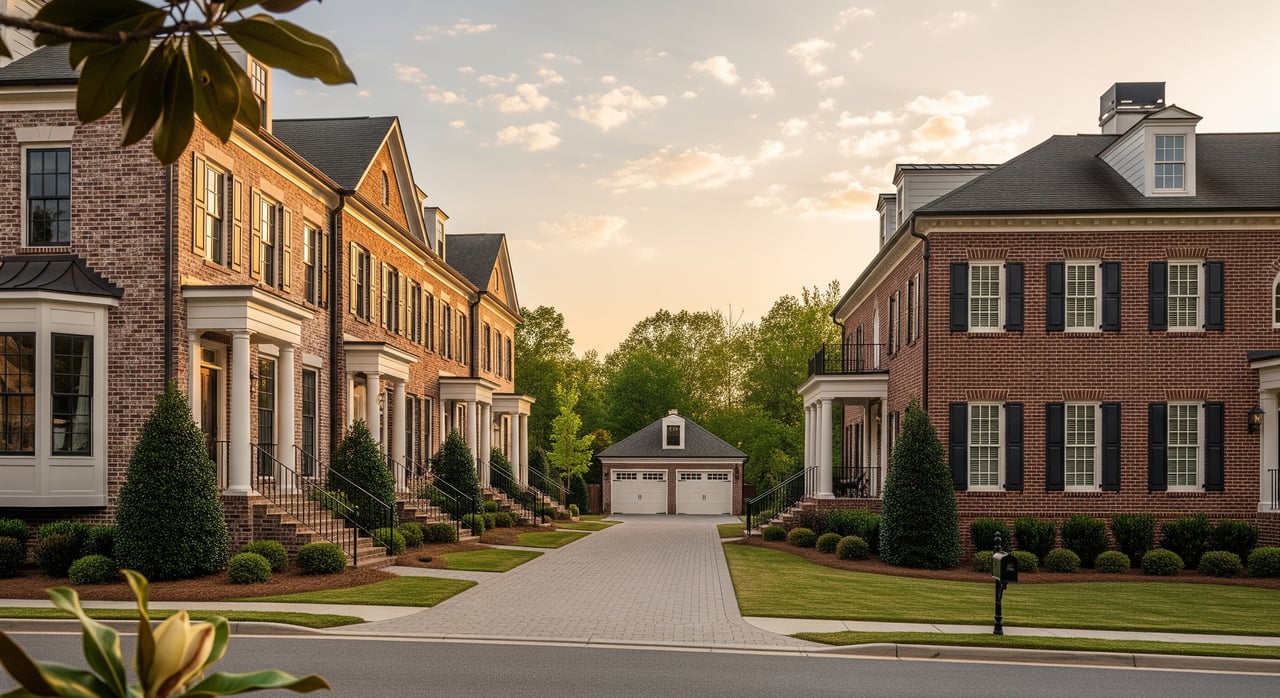
Trying to choose between a townhome and a single-family home in Fort Mill? You are not alone. Many buyers weigh lower maintenance and predictable costs against yard space and privacy as they plan a move along the I-77 corridor. In this guide, you will compare costs, upkeep, HOA expectations, lifestyle, and long-term resale so you can pick the fit that supports how you want to live. Let’s dive in.
What fits your lifestyle in Fort Mill
Fort Mill attracts a wide mix of buyers, from commuters headed to Charlotte to families and downsizers. Your daily routine matters. If you want a lock-and-leave setup near shopping or community amenities, a townhome can work well. If you need a private yard, more storage, or flexibility to add features, a single-family home may be better.
Commuting access on I-77 and SC-160 shapes demand across both property types. Proximity to parks, retail, and town centers is a common draw. Many buyers also consider access to local schools and services in a neutral, practical way.
Up-front and monthly costs
Price, taxes, HOA dues, insurance, and utilities make up the core of your budget. In many suburbs like Fort Mill, townhomes often have a lower entry price for similar neighborhood access, while single-family homes can carry higher variable costs for exterior care.
HOA dues and what they cover
Townhome dues often include important line items you would otherwise pay yourself.
- Exterior maintenance such as roof and siding
- Common-area landscaping and mowing
- Trash service and shared utilities for amenities
- Master insurance policy for structures, plus amenity upkeep
- Community amenities like a pool, clubhouse, or gym
Single-family HOAs, when present, usually have lower dues and focus on amenities and common areas, not your roof or siding. Always request the HOA budget, reserve study, and recent financials. These documents show if dues match real maintenance needs and whether reserves are healthy. If reserves are thin, you could face special assessments later.
Property taxes and assessments
York County calculates taxes based on assessed value. Townhomes may have smaller lots or a different form of ownership, which can lower assessed values, but this is not guaranteed. Compare actual assessments for the specific homes you are considering rather than relying on assumptions.
Insurance and lending basics
- Insurance: Most single-family owners carry an HO-3 policy that covers the full structure. Many townhome owners carry an HO-6 or an HO-3 with endorsements, depending on fee-simple or condominium ownership. Ask your insurance agent to match the policy to the ownership form and the HOA’s master coverage.
- Financing: Fee-simple townhomes in planned unit developments often finance like single-family homes. Townhomes in condominium associations may require project approval by the lender. Your lender will also factor monthly HOA dues into your debt-to-income ratio, which can affect your loan amount.
Utilities and maintenance
Shared walls in townhomes can reduce heating and cooling loads, and exterior upkeep is often outsourced through the HOA. Single-family homes give you control, but you typically budget for yard work, exterior repairs, and possibly higher energy usage due to a detached structure. Ask local vendors for realistic annual costs so you can compare apples to apples.
Maintenance and repairs
With a townhome, the HOA often coordinates exterior work. You handle interiors and any limited exterior items spelled out in the documents, such as windows or balconies. That means fewer vendor calls day to day, though you still want to understand how the HOA schedules large projects and funds them.
With a single-family home, you manage everything inside and out. You decide on timelines and materials for roofs, paint, driveways, and landscaping. The tradeoff is control and flexibility in exchange for more responsibility and more variability in costs.
A key factor for townhomes is the HOA reserve study. If reserves do not match upcoming needs, owners may face special assessments. Review recent meeting minutes and assessment history to gauge risk.
Space, privacy, and daily life
Single-family homes usually offer private yards, larger garages, and easier options for outdoor living. You also gain separation from neighbors, which can reduce noise.
Townhomes deliver a simpler lifestyle with less yard care and access to shared green spaces. Keep in mind the potential for noise transfer through shared walls. Ask about construction details like party-wall design and insulation, especially in newer communities. Parking policies also differ. Townhome HOAs may regulate guest parking and the use of driveways, while single-family homes typically have private driveways and more storage options.
Accessibility matters too. Many townhomes are multi-level. If you want single-level living, explore ranch-style single-family options or townhomes with main-level primary suites if available.
HOA governance and rules
Your experience in a townhome community depends on how the HOA is run. In South Carolina, HOAs operate under state statutes and their governing documents. Before you write an offer, ask for the full disclosure package and read it carefully.
Key documents to review:
- Covenants, Conditions, and Restrictions (CC&Rs)
- Bylaws and rules and regulations
- Current budget, reserve study, and recent financial statements
- Board meeting minutes from the past year
- Master insurance certificate and coverage summary
- Any record of violations, fines, litigation, or assessments
Common everyday rules include exterior paint standards, fence types, pet policies, RV or boat parking, leasing caps, and short-term rental restrictions. Understanding these early prevents surprises later.
Questions to ask an HOA
- What does the monthly dues line cover, and what is excluded?
- How much is in reserves, and what projects are planned over the next 3 to 5 years?
- Have there been special assessments in the past 5 years?
- Are there leasing caps or short-term rental restrictions?
- What are the guest parking rules and enforcement process?
- Who manages the community, and how are maintenance requests handled?
Resale and long-term flexibility
Townhomes tend to attract first-time buyers, commuters, downsizers, and some investors. They can appreciate well in convenient locations with lower-maintenance living and strong amenity access. Liquidity can be sensitive to new-construction supply, so inventory levels and absorption rates matter.
Single-family homes often draw buyers who want yard space, room to expand, or more privacy. Appreciation can be driven by lot scarcity, home size, and proximity to services. You usually have more flexibility to modify or add features compared to a townhome subject to exterior rules.
If you plan to rent in the future, verify leasing policies before you buy. Some HOAs cap rentals or restrict short-term stays, which can affect both your strategy and resale appeal.
Which one is right for you
Choose a townhome if you want lower hands-on upkeep, predictable HOA-driven costs, and quick access to community amenities. This option fits if you value convenience and plan to travel or commute frequently.
Choose a single-family home if you want more private outdoor space, control over exterior choices, and options to add features later. This path fits if you want a yard, extra storage, or a wider range of layout choices.
A balanced approach is to compare two specific homes in the same corridor using actual numbers. Line up mortgage payment, taxes, HOA dues, insurance, utilities, and a realistic maintenance budget. Then overlay lifestyle factors like commute, noise tolerance, and yard needs.
How Josh helps you decide
You should not have to guess your way through this choice. With deep mortgage experience and local market knowledge, you get a clear, side-by-side budget and a plan for offer strategy. That includes reviewing HOA health, understanding insurance implications, and aligning the home choice with your financing and long-term goals. If you want a calm, data-informed path to the right home in Fort Mill, reach out to Josh Tuschak for guidance.
FAQs
What costs differ most between townhomes and single-family homes in Fort Mill?
- Townhome budgets center on HOA dues that often include exterior maintenance and amenities, while single-family homes trade lower or no dues for higher variable costs like yard care and exterior repairs.
Do townhomes really save on utilities in Fort Mill’s climate?
- Often yes due to shared walls that reduce heating and cooling loads, but actual savings depend on the home’s size, insulation, systems, and how you use the space.
Can I rent out my Fort Mill townhome in the future?
- It depends on the HOA’s rules. Many communities have leasing caps or short-term rental restrictions, so verify policies in the CC&Rs and with the property manager before you buy.
Are townhomes harder to sell than single-family homes in Fort Mill?
- Marketability varies by location, inventory levels, and amenities. Townhomes can sell quickly in convenient, lower-maintenance neighborhoods, while single-family homes often draw a broader buyer pool seeking yards and flexibility.
How do HOA rules affect my daily life in a townhome?
- Rules can guide exterior appearance, parking, pets, and property use. They help maintain standards but limit certain choices, so read the full disclosure package to confirm a good lifestyle fit.
What happens if an HOA’s reserves are low?
- Owners may face special assessments or deferred maintenance. Review the reserve study, budget, and recent board minutes to understand upcoming projects and funding plans before you commit.